
How to Select the Proper FIBC Bulk Bag According to Your Packaging Requirements
When it comes to storing and transporting bulk materials, FIBC bulk bags—also known as jumbo bags or ton bags—offer one of the most efficient and cost-effective packaging solutions available. But not all Bulk Bags are the same. Choosing the right type is critical for industries such asconstruction, mining, or global trade, where materials are heavy, abrasive, or require safety compliance.
In this article, we’ll break down key factors to consider when selecting the ideal FIBC bag for your business, and how working with a trusted China bulk bag manufacturer can help you avoid costly mistakes.
Understand Your Product Type
The first step in choosing the right jumbo bag is knowing what you're packaging. Key questions include:
Is the material fine powder, coarse aggregate, or granules?
Is it hazardous, flammable, or moisture-sensitive?
Will the bag be reused or disposed of after a single trip?
For example:
Cement or sand requires strong, anti-leak stitching
Iron ore needs anti-abrasion fabric
Chemicals might require anti-static (Type C or D) bags with PE liners
Choose the Right FIBC Type (A, B, C, D)
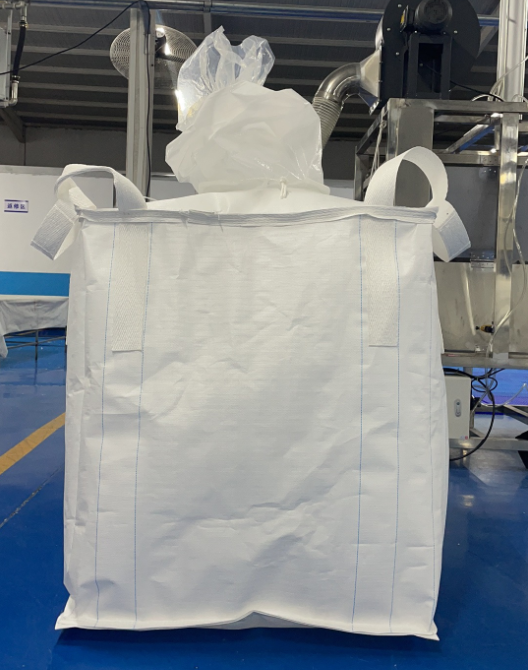
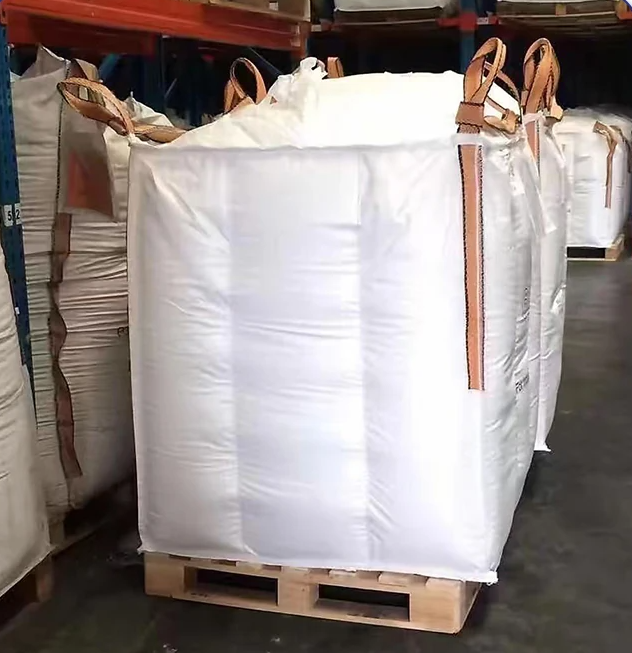
Fibc Bags are categorized into four types based on electrostatic properties:
Type A: No electrostatic protection; for non-flammable materials
Type B: Prevents sparks in dry powders; limited safety
Type C: Conductive bags; grounded during filling/discharge – ideal for mining
Type D: Dissipative fabric; no grounding required – used in chemical or fuel environments
If you’re exporting flammable materials or operating in dusty construction sites, Type C or D is the safe choice.
Decide on Structure & Design Features
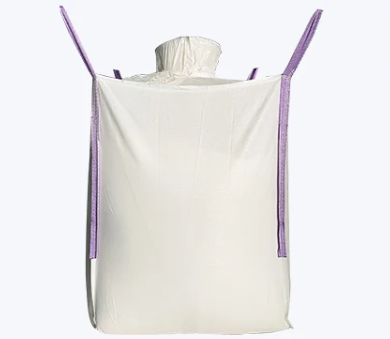
Bulk bags are highly customizable. Common options include:
Top Design:
Open Top (easy filling)
Spout Top (controlled filling)
Duffel Top (extra protection)
Bottom Design:
Flat Bottom (low-cost, for one-time use)
Discharge Spout (for repeat use or controlled discharge)
Loop Design:
4 corner loops (standard for forklifts)
Cross-corner loops (for stability)
Sleeve lifts (for crane lifting)
For construction materials like gravel, choose a heavy-duty, 4-loop, spout-bottom bag with reinforced fabric.
Consider Volume, Weight, and Safety Factor (SF)
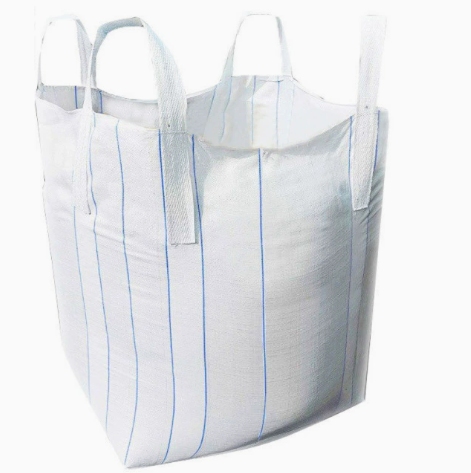
FIBC bags typically range from 500kg to 2000kg load capacity.
For mining exports, go with a 2:1 Safety Factor (SF) or higher
Exporters should ensure bags meet UN or ISO certification for international shipping
Construction sites often prefer 1-ton bags with UV-resistant coatings
Tip: Don’t overpay for over-engineered bags. A good supplier will help balance safety and cost.
Partner with a Trusted China Bulk Bag Manufacturer
Why source from China?
✅ Scalable production for large orders
✅ Custom printing and packaging for export
✅ Competitive pricing without compromising quality
✅ Rich export experience in construction, mining, and wholesale sectors
Look for a supplier that offers:
SGS, ISO, or UN certification
Custom ton bag design with drawings or samples
Global shipping and responsive support
Conclusion: The Right FIBC Bag Saves Time, Money & Risk
Choosing the right FIBC bulk bag isn't just about price—it's about matching the bag’s design with your product’s needs and industry standards. From gravel and sand to minerals and chemicals, using the right bag improves operational efficiency, reduces product loss, and ensures workplace safety.
Related News
Other news you might be interested in
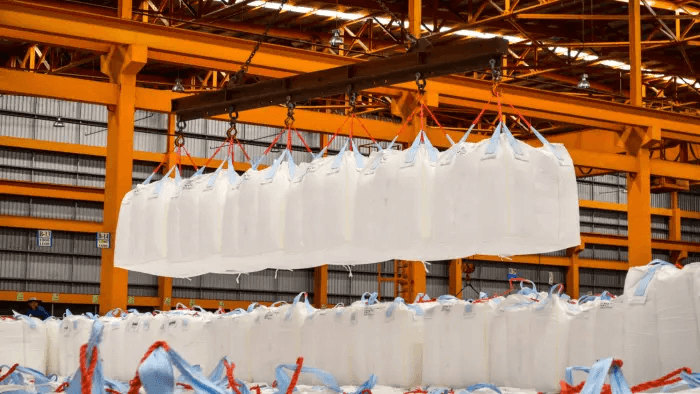
Types of FIBC Bulk Bags: A, B, C & D Explained
FIBC bags, which stand for Flexible Intermediate Bulk Containers, are changing the way bulk materials are handled in different sectors. Made from woven polypropylene, these large and flexible containers can carry a weight of up to 300 times their own which makes it an effective, affordable and environmentally friendly option for the transportation and storage of flowable dry products.
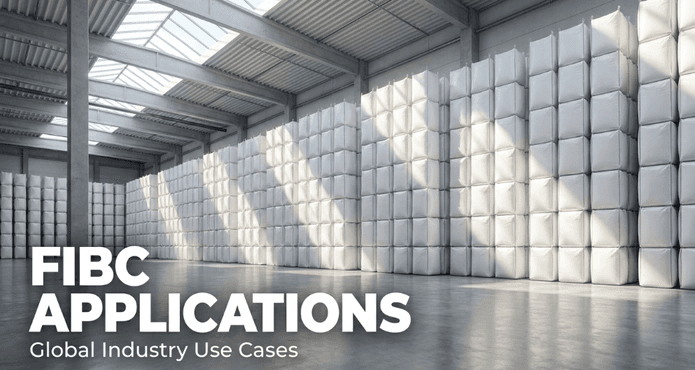
Top 10 Industry Applications of FIBC Bags: Use Cases From Agriculture to Chemical Processing
FIBC bags move and store dry, flowable materials across many major industries. These include agriculture, construction, chemical processing, and mining. They are also used in food production, pharmaceuticals, recycling, and logistics.
Want to know more?
Get in touch with us for more information about our services and products.