
FIBC Insights, Trends & Case Updates
Track market shifts, certification updates, and factory-side know-how that helps buyers reduce risk and improve margins.
Categories
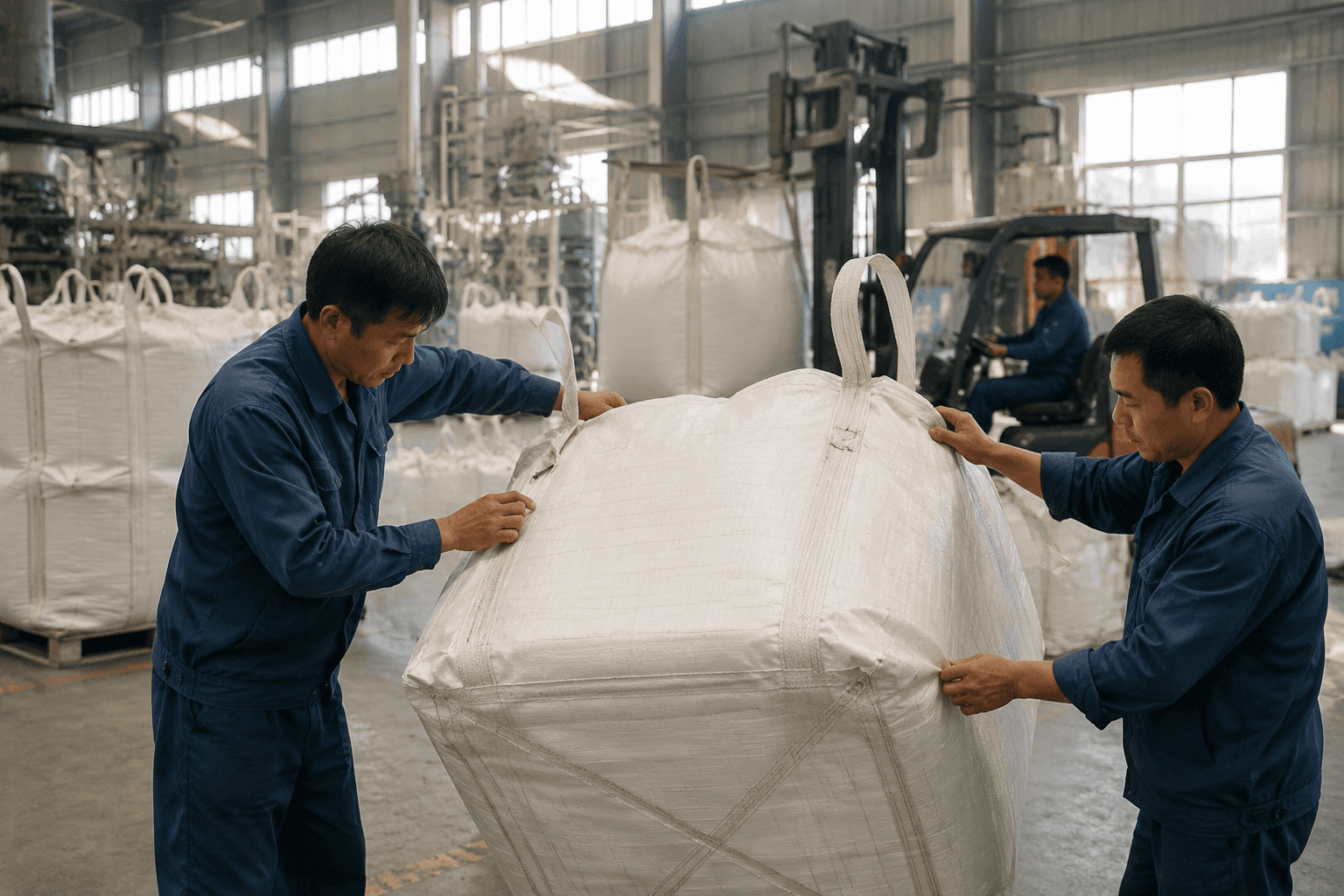
The Complete Guide to FIBC Bulk Bags: Protect Your High-Value Materials and Improve Logistics Efficiency
Discover how FIBC bulk bags with moisture/oxygen barriers, reinforced lifting, and custom designs protect sensitive powders, reduce costs, and improve logistics. Real case studies inside.
Automated Filling and Discharge Systems Are Redefining FIBC Specifications for Powder Handling
As the handling volume of chemical powders, food ingredients, mineral powders, and new energy materials continues to grow, automated filling and discharge equipment is becoming a key part of plant modernization. These automated systems not only improve weighing and handling efficiency, but also impose clearer technical requirements on flexible intermediate bulk containers (FIBCs), including filling spouts, discharge spouts, bag shape, liner construction, and lifting-loop configuration. In the past, bulk bags were mainly viewed as containers for load handling and transportation. Today, on automated production lines, they have become essential packaging components connecting upstream silos, filling equipment, warehouse logistics, and downstream processing lines. Whether a bag structure matches the operating cycle of the equipment directly affects dust control, filling accuracy, discharge efficiency, and material batch stability.
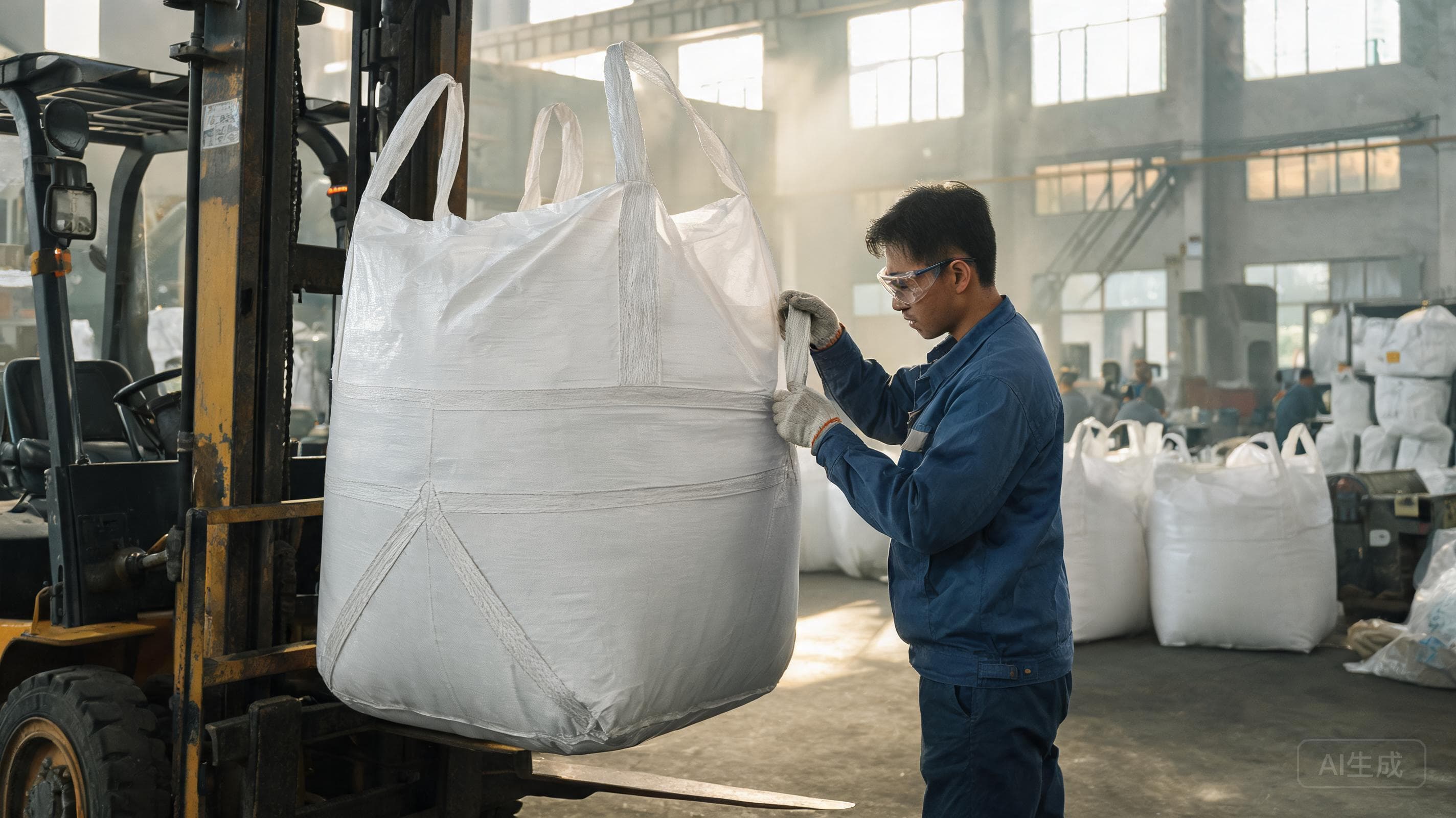
Optimize Your Bulk Material Handling with Advanced FIBC Solutions
Specialized FIBC bags with moisture, oxygen, and static protection eliminate product loss and streamline logistics. Factory-direct custom solutions for chemicals, battery materials, and powders—engineered to reduce damage and extend shelf life.
Global FIBC Industry Accelerates Its Shift Toward Traceable and Circular Bulk Packaging in 2026
In 2026, the global flexible intermediate bulk container (FIBC) industry is entering a new phase of development. Traditionally, bulk bags have served the core functions of loading, handling, storing, and transporting bulk materials. However, buyers in chemicals, new energy, minerals, food ingredients, and agricultural raw materials now expect far more from industrial packaging. In addition to safe load handling and product protection, buyers increasingly consider whether packaging is traceable, recyclable, and compatible with their quality-control and cross-border logistics processes. FIBCs are therefore evolving from simple transport packaging into supply-chain components that connect material protection, information management, and circular-use objectives. For manufacturers and exporters, clearer batch management, better packaging design, and product combinations tailored to end-use applications are becoming increasingly important for securing long-term business.
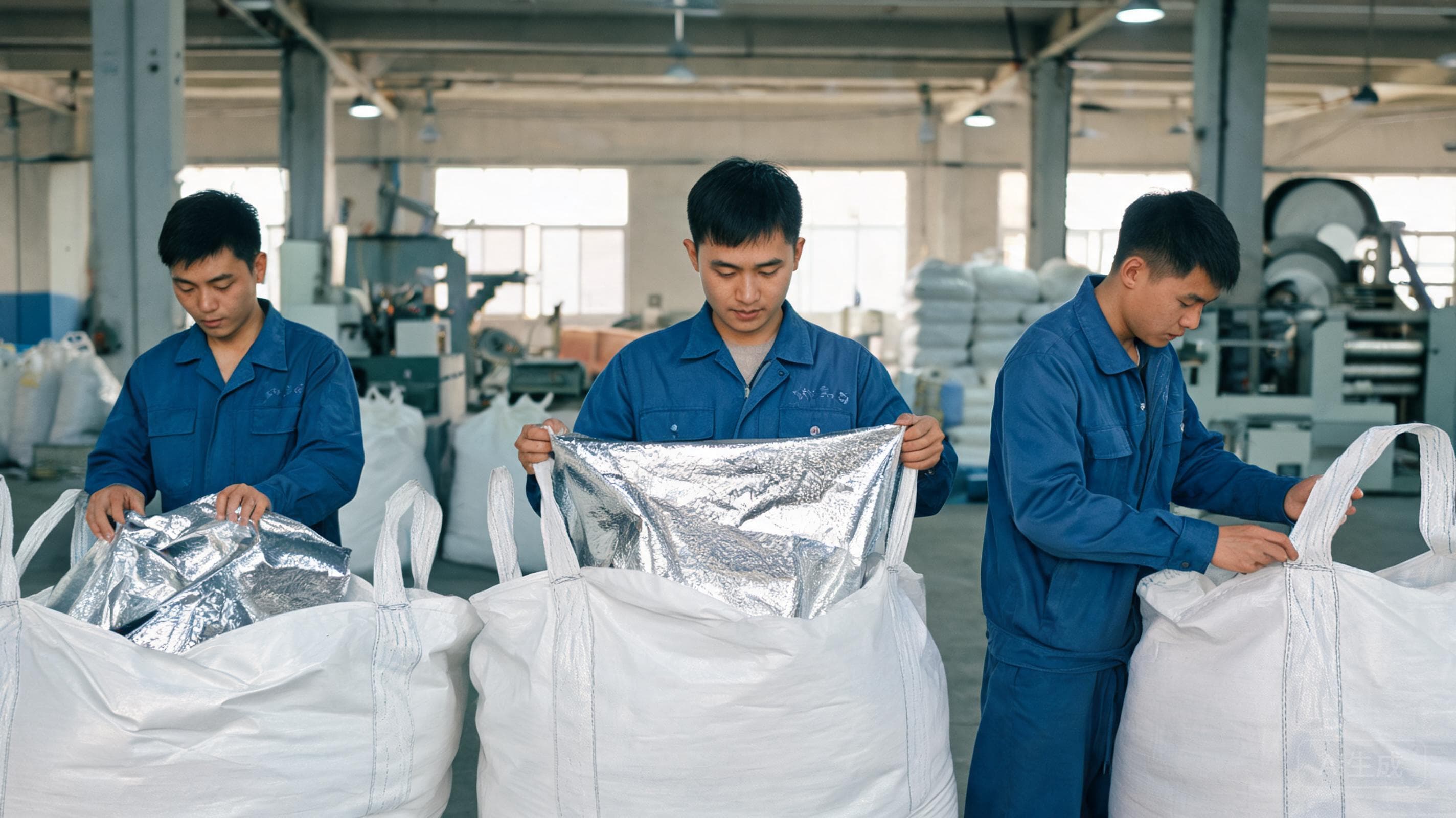
Protect Your High-Value Powders & Granules with Advanced FIBC Packaging
Advanced FIBC packaging with aluminum foil liners, moisture barriers, and light-proof designs protects high-value powders and granules, reducing spoilage and improving handling.
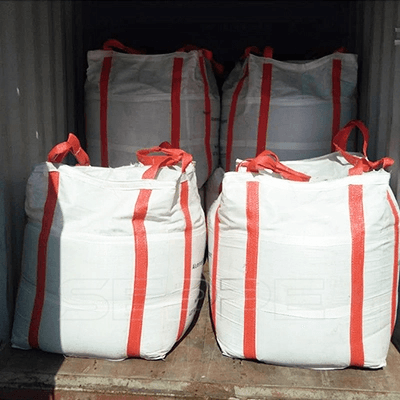
From Moisture Barrier to Zero Leakage: How to Choose the Right FIBC Liner for Fine Powders and Minerals
As global demand grows for the transportation of chemical powders, mineral powders, new energy materials, and high-value granular products, FIBC bulk bags are no longer just basic packaging that can “hold the load and be lifted safely.” For fine powders, hygroscopic minerals, lithium battery materials, flame retardants, plastic pellets, and similar products, the packaging system must address moisture protection, oxygen barrier performance, contamination prevention, leakage control, and safe discharge at the same time. Industry trends show that FIBC liners made with PE, EVOH, or aluminum foil composite structures are becoming an important packaging upgrade for high-value bulk materials in export markets.
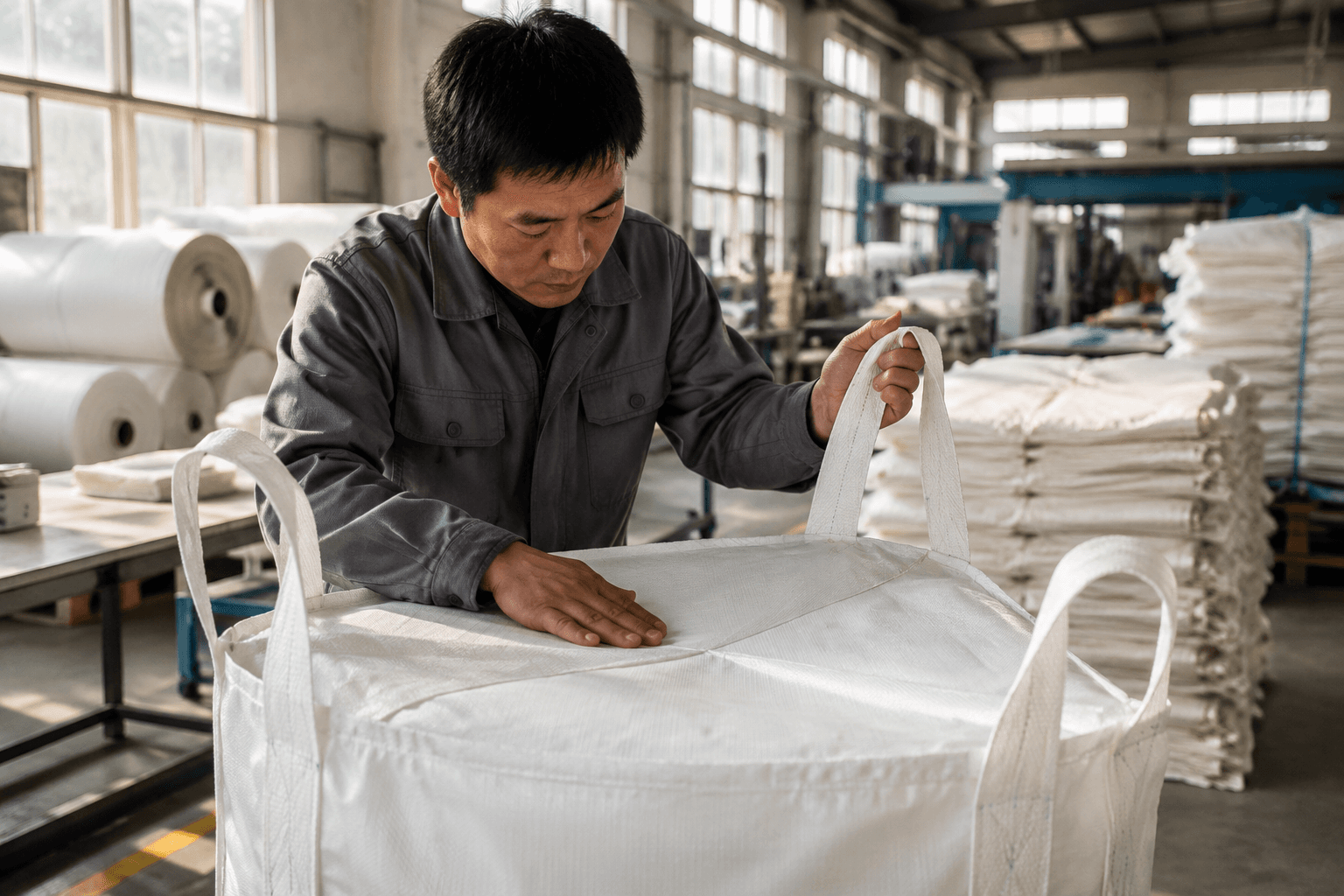
Maximize Efficiency and Safety with Custom FIBC Bulk Bags for Industrial Applications
Reduce product loss and enhance safety with custom FIBC bulk bags. Our industrial packaging provides Oxygen Barriers, Moisture Barriers, and static protection. Factory-direct solutions for chemicals, battery materials, and more. Request a custom quote today.

How to Choose the Right FIBC for Moisture-Sensitive & High-Value Bulk Materials
Learn how to select FIBC bags with moisture barriers, oxygen barriers, and reinforced construction to protect high-value bulk materials like lithium battery powders and chemical granules from spoilage, oxidation, and light damage.
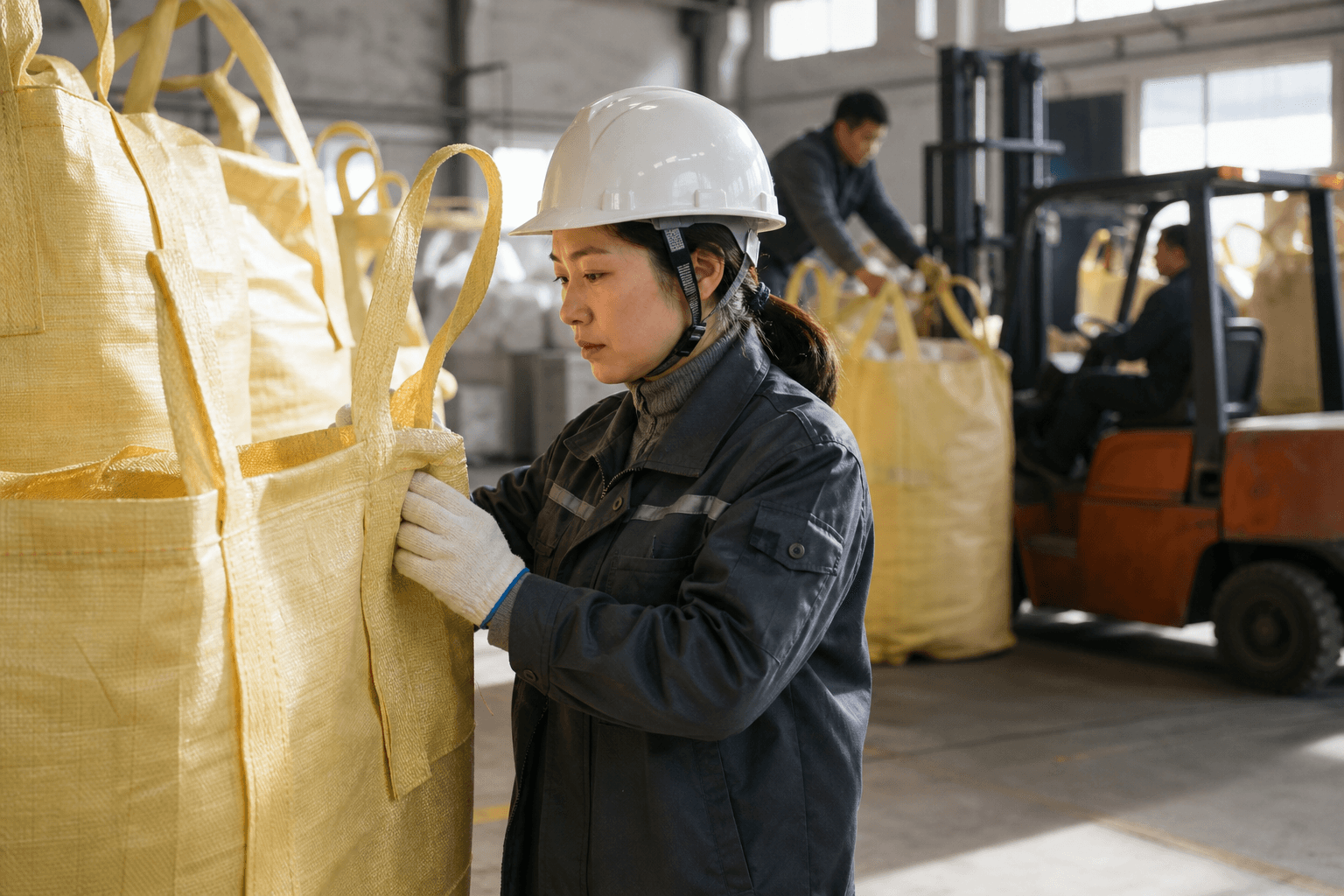
Choose the Right FIBC Bulk Bags to Protect Your Materials and Lower Handling Costs
Selecting the right FIBC bags with moisture barriers, anti-static features, and reinforced bottoms prevents product loss and reduces handling costs. Factory-direct custom solutions boost ROI for chemicals, battery powders, and minerals.